Illustrated Application Note


Bike Power Pedals

A bike manufacturer wants to test their power pedals that cyclists use for training purposes.


Summary

  • Customer Need / Challenge

    A bike manufacturer wants to test the functionality of their power pedals. They need a reliable system to measure how much force the cyclist pushes down onto the bike pedals, and they would prefer a wireless system that can be paired with their computer to review data results.

  • Interface Solution

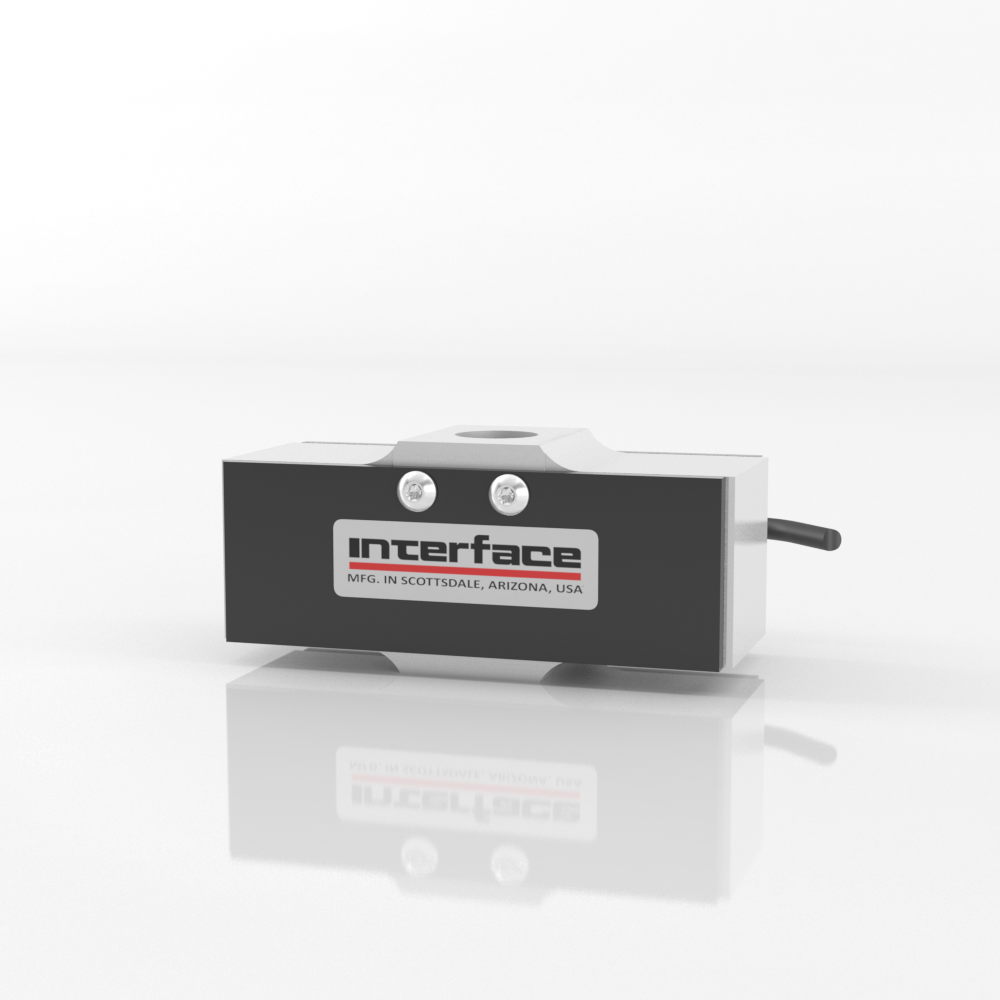
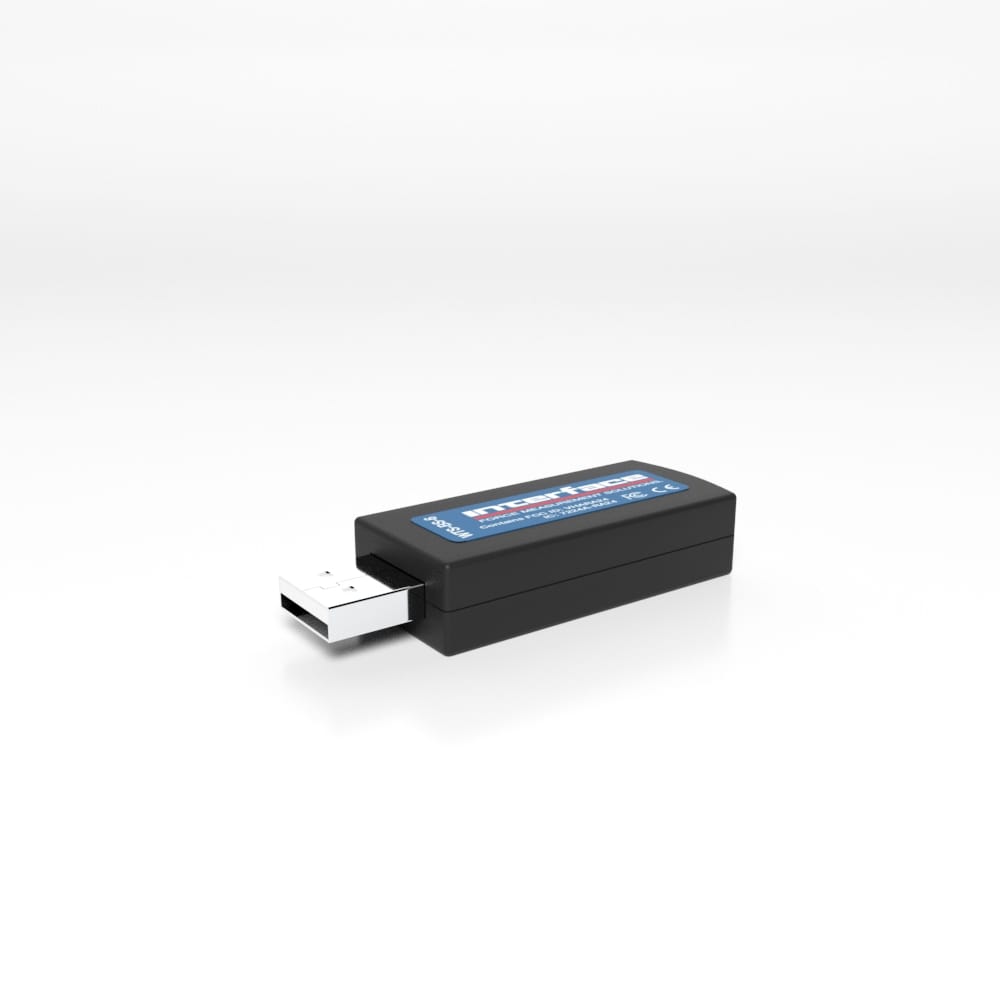
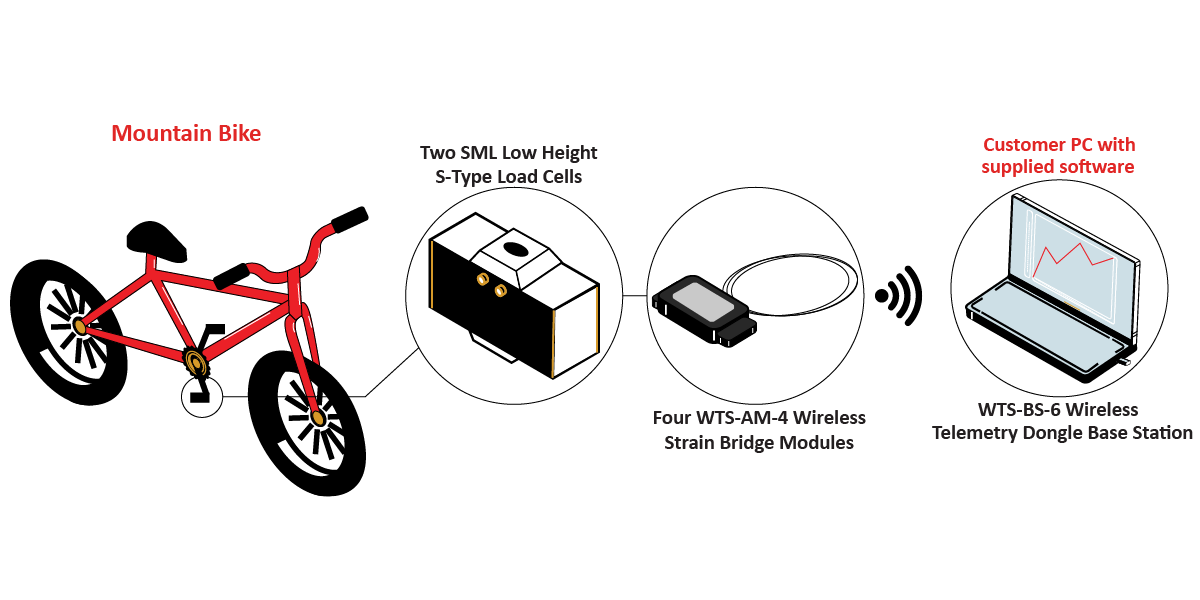
    Interface suggests 4 Model SML Low Height S-Type Load Cells installed within the bike’s pedals. The 4 SMLs are paired with 2 WTS-AM-4 Wireless Strain Bridge Transmitter Modules, which will transmit the force data from the cyclist to the WTS-BS-6 Wireless Telemetry Dongle Base Station Dongle connected to the customer’s PC or laptop. Interface will also provide the software needed with their wireless products.
  • Results

    The bike manufacturer was able to measure the pedal power applied by the cyclist. The customer was able to measure and log the data wirelessly transmitted to their PC computer.

Materials


  • (4) SML Low Height S-Type Load Cells
  • (2) WTS-AM-4 Wireless Strain Bridge Transmitter Modules
  • WTS-BS-6 Wireless Telemetry Dongle Base Station
  • Customer PC or Laptop

How it Works


  1. The SML Low Height S-Type Load Cells are installed inside the bike pedal, connected to the WTS-AM-4 Strain Bridge Transmitter Modules.
  2. During the testing stage, a cyclist uses the bike and pushes force down onto the bike pedals.
  3. The data is read and transmitted through the WTS-AM-4 Wireless Strain Bridge Modules, to the WTS-BS-6 Wireless Telemetry Dongle Base Station. From there, the customer can log the force data measured. .

Download PDF